
Red flags to watch for when visiting a childcare centre
Niboo · 21 July 2026
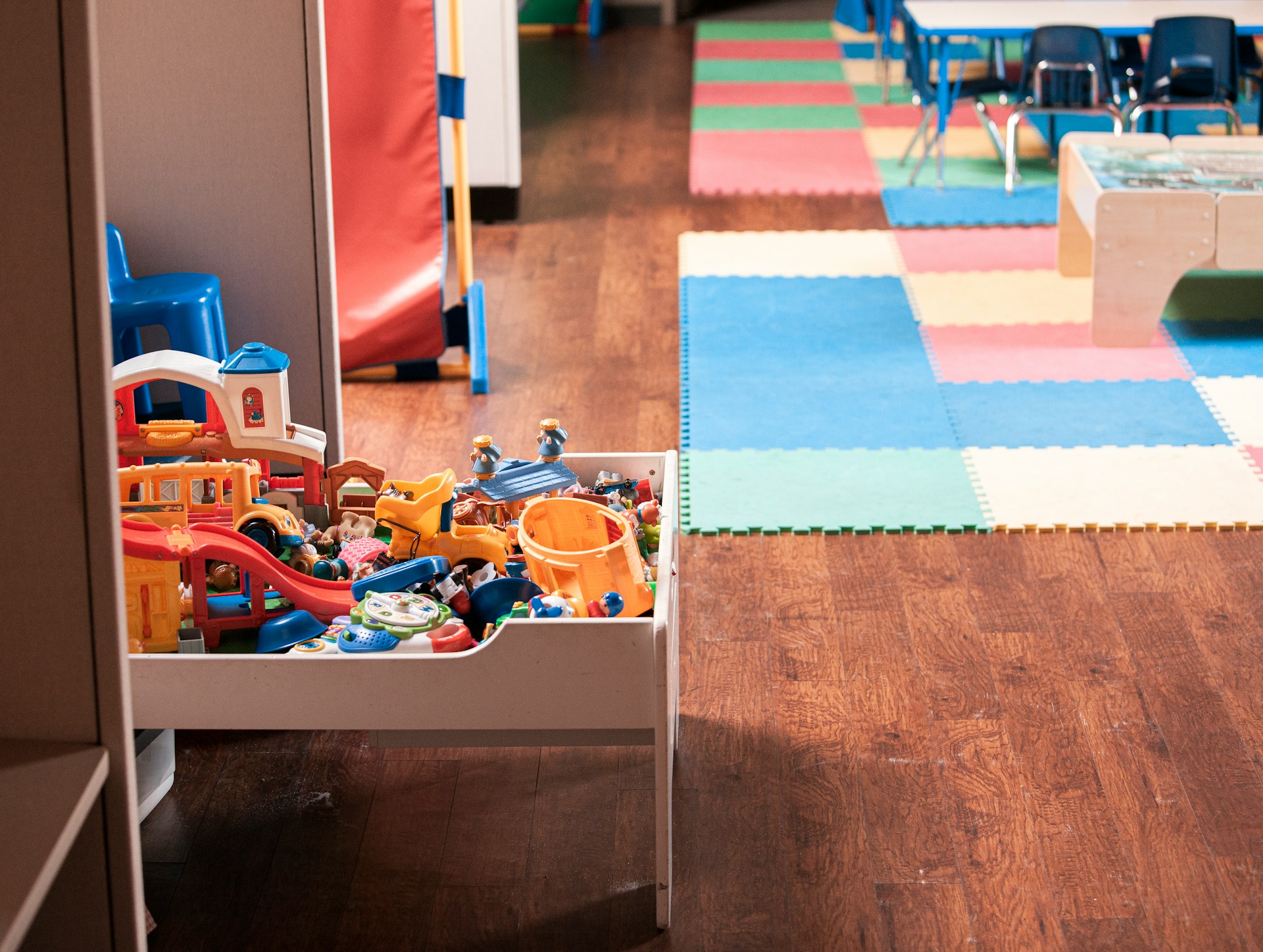
Let's start with the good news: the overwhelming majority of childcare centres in Malta and Gozo are run by people who genuinely care about children. Every centre here must be licensed by the Directorate for Quality and Standards in Education (DQSE) and meet the National Standards for Early Childhood Education and Care Services (0–3 years), which cover everything from staff qualifications to premises and ratios.
So this guide isn't about scaring you. It's about helping you notice things — because when you're touring a centre with a baby on your hip and a manager talking you through the menu, it's easy to be charmed by bright walls and miss the quieter signals that matter more.
Think of these less as alarm bells and more as prompts: things that deserve a follow-up question before you sign anything. One yellow flag rarely means much on its own. A pattern of them does.
Vagueness about licensing and paperwork
The clearest baseline in Maltese childcare is the licence. If you ask to see it and get a change of subject, or if the centre can't tell you when DQSE last reviewed them, pause. The same goes for policies: a well-run centre can hand you its sickness policy, its accident procedure and its fee schedule in writing. "We'll sort that out later" is not a policy.
What good looks like: the licence is displayed or produced without fuss, and the manager talks about standards and reviews as a normal part of life, not an inconvenience.
Ratios that don't add up
Malta's standards set minimum ratios — one educator for up to three babies under 12 months, one per five children aged 13–24 months, one per six children aged 25–36 months (adjusted where assistants are present). On your visit, quietly count. How many adults are in the room? How many children?
A snapshot can mislead — staff take breaks, children get collected — so ask rather than assume. But if the room feels stretched, if babies are waiting a long time to be fed or comforted, or if staff seem too busy to notice you've walked in, that's worth taking seriously.
What good looks like: adults at the children's level, engaged and unhurried, with someone free to greet you properly.
Staff who seem flat, stressed or brand new
Children don't attach to buildings; they attach to people. So the mood of the staff is the quality of the care. Watch how educators speak to the children — warmly and by name, or over their heads to each other? Watch how the manager speaks to the staff.
Ask how long the team have worked there. Constant turnover is one of the most telling signs in childcare, because it usually reflects how staff are treated — and because a revolving door of carers is hard on small children.
What good looks like: educators who've been there a while, who light up talking about "their" children, and who can tell you something specific about the room's routine without checking.
A tour that avoids certain rooms
You should be able to see everywhere your child will spend time: the sleep room, the nappy-changing area, the kitchen or food-prep space, the outdoor area. A centre might reasonably ask you to peek quietly during nap time — that's normal life, not evasion. But a flat "we don't show parents that" is different.
Related: ask whether parents can drop in unannounced at reasonable times. Reluctance to ever allow it deserves a follow-up.
What good looks like: "Come and see everything — mind the sleeping babies."
Safety details nobody has thought about
You don't need a clipboard, just eyes. Are gates and doors secured so children can't wander out — and strangers can't wander in? Does anyone ask who you are when you arrive? Are cleaning products out of reach, sockets covered, the outdoor space shaded and maintained? In a Maltese summer, ask what happens on very hot days — sun protection, water, adjusted outdoor time.
Ask who holds paediatric first aid training and how accidents are recorded and shared with parents. Hesitation on these basics is a genuine red flag rather than a yellow one.
What good looks like: you were asked to sign in, the door closed securely behind you, and the answers to safety questions came easily.
Pressure to commit on the spot
Good centres fill their places without hard selling. Be wary of "only one place left — I'd need a deposit today," refusal to give fees in writing, or contracts with fuzzy terms around notice periods, holiday charges and extras. If you're using the Free Childcare Scheme, confirm in writing that the centre participates and what your allocated hours will and won't cover — our guide to the scheme explains how hours are worked out.
What good looks like: "Take the paperwork home, visit the others on your list, and call us with questions."
Silence about your child as an individual
Perhaps the subtlest sign of all. A great centre asks you questions: How does your child sleep? What do they love? What comforts them? How is weaning going? If a centre shows no curiosity about your child before offering a place, care may be similarly one-size-fits-all. The same applies to settling in — there should be a genuine plan, not "just drop them and go, they all cry at first."
What good looks like: by the end of the visit, they know your child's name, age, and at least one thing that makes them tick.
Keep it in perspective
A crying child does not mean a bad centre — small children cry, and what matters is that someone responds with warmth. Worn toys, a chaotic ten minutes before lunch, a manager who has to check a detail and phone you back: all completely normal. You're looking for patterns of evasiveness, stretched staff and missing basics — not perfection.
If a visit leaves you uneasy, trust that feeling and keep looking; Malta has plenty of options. Take our ten questions to ask before choosing a childcare centre to your next visit, and if you're at the very start of the search, here's how to build a shortlist in one evening.
Find your childcare with Niboo
Compare licensed nurseries, childminders and kindergartens across Malta and Gozo at niboo.mt/childcare — so every place you visit is worth your time.
Keep reading
 Getting started
Settling in: your child's first month at childcare, week by week
What the first month at childcare in Malta really looks like, week by week — settling-in sessions, tears at drop-off, and signs it's going well.
Niboo · 21 July 2026
 Getting started
How to shortlist childcare centres in one evening
A step-by-step evening workflow to turn Malta's long list of licensed childcare centres into a shortlist of three to five worth visiting — in two hours.
Niboo · 20 July 2026