
Separation anxiety: helping your child (and yourself) through drop-offs
Niboo · 31 luglio 2026

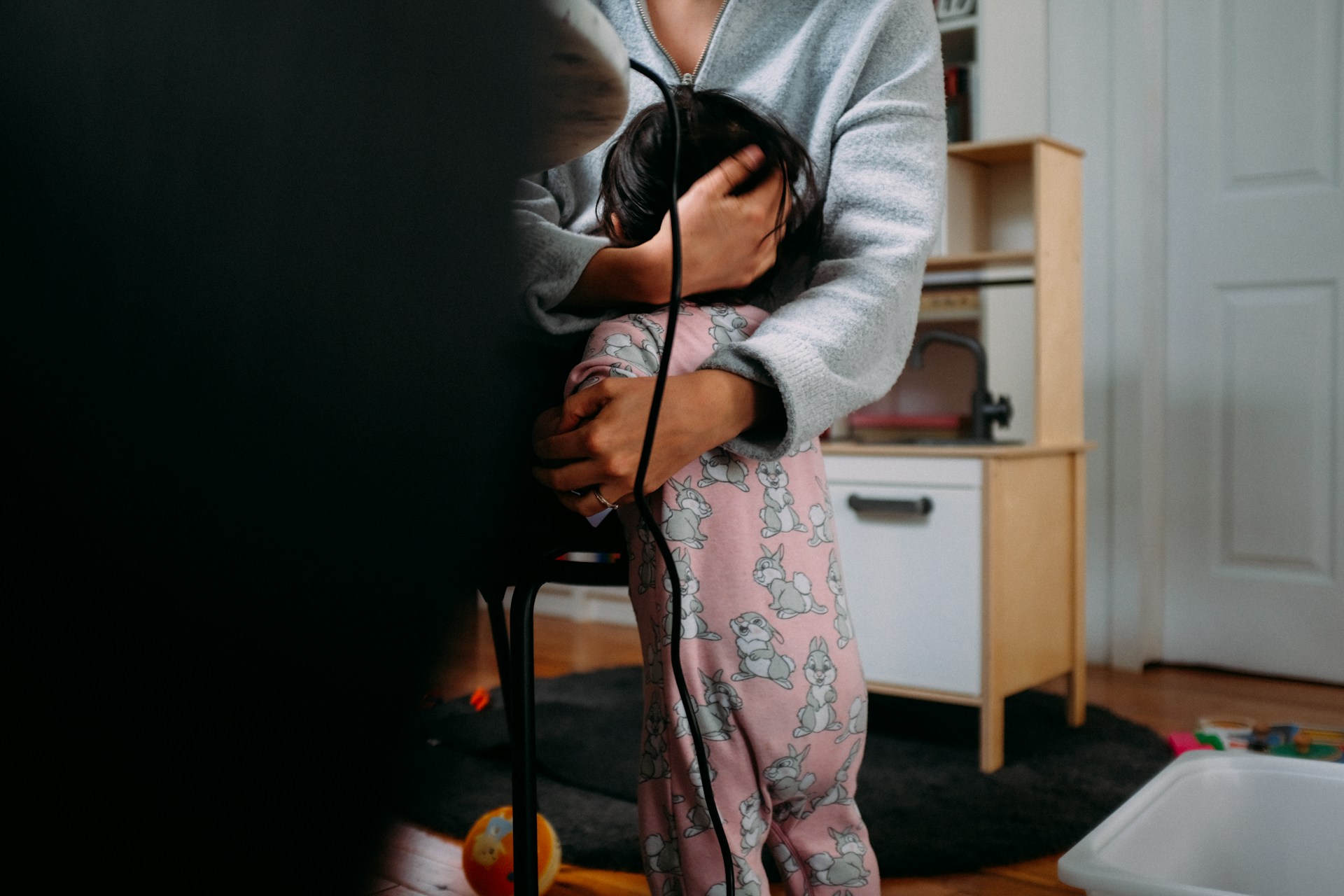
Here is the scene nobody puts in the childcare brochure: a small person attached to your leg like a barnacle, an educator gently holding out her arms, and you performing a cheerful goodbye through a smile that is very close to cracking. Then the walk back to the car, where you sit for a moment and wonder what kind of parent leaves a crying child and drives to work.
The answer, for what it's worth, is almost every parent who has ever used childcare. Separation anxiety is one of the most universal experiences of early parenthood in Malta and everywhere else, and it comes with a strange secret: it's actually a sign that everything is working. A child who protests when you leave is a child who has attached to you deeply, exactly as they're supposed to.
That knowledge doesn't make Tuesday morning easier on its own. So here's what separation anxiety really is, what genuinely helps at the door, and what to do about the part no one talks about: your own feelings.
What separation anxiety is (and why it's healthy)
Separation anxiety is a normal stage of development, not a behaviour problem and not a verdict on your childcare centre. It typically appears somewhere around eight months, when babies work out that you still exist when you leave the room, and it can flare again in toddlerhood, often around 18 months to two years, and at moments of change: a new room, a new sibling, a return after illness or holidays.
Two reassuring facts to hold onto. First, it usually passes; most children settle into a new childcare routine within a few weeks, even if the goodbyes stay noisy for a while. Second, the tears are usually brief. Educators will tell you, truthfully, that most children stop crying within minutes of the door closing and are stacking blocks by the time you've reached the roundabout.
Before day one: build familiarity
The gentlest way through separation anxiety is to shrink the amount of "new" your child faces at once.
- Use the settling-in period properly. Most Maltese centres offer a gradual start: short visits, sometimes with you in the room, building to full sessions. Take every session offered, and ask for more if your child needs them. Our week-by-week guide to the first month at childcare maps out what this usually looks like.
- Practise small separations at home. Short stints with a grandparent or a trusted friend teach the core lesson: you leave, and you come back.
- Talk about it in concrete, cheerful terms. "You'll play with the trains, have a snack, and then Daddy comes." Small children can't hold "later" in their heads, but they can hold a sequence.
- Bring a piece of home. A comforter, a muslin that smells of you, a family photo for their peg. Ask the centre what they allow and encourage.
If you're starting with a baby, our guide to preparing your baby for their first day at nursery covers the practical groundwork.
The goodbye routine: short, warm, identical
Almost every educator, in Malta and beyond, will give you the same advice about the moment itself, because it works.
Keep it short. Long goodbyes don't soothe children; they signal that something worrying is happening. Aim for under a minute.
Keep it warm and confident. A hug, a kiss, one cheerful line ("Have fun, I'll be back after your nap"), then go. Children read your face and voice before your words. If you look frightened, the room must be frightening.
Keep it identical. Same script, same hug, same handover to the same educator every day if possible. Predictability is deeply comforting to small children, and a consistent key person to receive them makes an enormous difference.
Never sneak out. It's tempting to slip away while they're distracted, and it backfires badly. A child who discovers you've vanished learns to watch you like a hawk. Always say goodbye, even if it triggers tears.
Don't come back for one more hug. Returning teaches that crying brings you back, which guarantees more crying tomorrow. Once you've said goodbye, the kindest thing you can do is leave.
What the centre should be doing
You're only half of the drop-off. A good childcare centre carries the other half, and it's fair to expect them to.
Ask how they handle a distressed child after you leave. The answer should involve comfort, distraction and patience from a familiar educator, never "they just have to get used to it." Ask whether you can call or message mid-morning for an update; good centres expect this and some will send a photo of your child happily playing, which is worth a great deal on a hard day.
The single most useful question to ask is this: "How long after I leave does it take for her to settle?" If the answer is a few minutes and the staff can tell you what your child then went off to do, things are fine. If distress is lasting most of the session, or escalating week on week rather than easing, that's a conversation to have with the manager, and possibly a sign to look closer. Our guide to red flags to watch for can help you tell a rough patch from a real problem.
Now, about you
Parents get separation anxiety too. It just has worse PR.
Feeling guilty, teary or hollow after drop-off is extremely common, especially in the first weeks back at work, and it doesn't mean you've made the wrong choice. It means you love your child and you're doing a hard thing. A few things help. Plan something for the first hour after drop-off (a coffee, a podcast, a colleague to talk to) so you're not alone with the replay. Call the centre when you need to, without apology. And notice the pick-ups as much as the drop-offs: the child who runs to you at the end of the day, full of snacks and paint, is the truer picture of how childcare is going.
It also helps to remember what your child is getting in exchange for those hard mornings: language, friendships, independence, and warm adults who chose to spend their working lives caring for small humans.
When to seek more help
Most separation anxiety fades with time and consistency. Speak to the centre, and to your family doctor or paediatrician if you're concerned, when distress is severe and unrelenting after six or more weeks, when a previously settled child changes suddenly and dramatically, or when anxiety is affecting sleep, eating or development more broadly. There's nearly always a gentle adjustment that helps, and asking early is a strength, not a fuss.
Find your childcare with Niboo
Still choosing the place where those goodbyes will happen? Browse licensed childcare centres, childminders and kindergartens across Malta and Gozo on Niboo and find one that will hold your child, and your hand, through the settling in.
Continua a leggere
 Getting started
When should you start looking for childcare in Malta?
When to start your childcare search in Malta, how waiting lists really work, and how to plan around your return to work without a last-minute scramble.
Niboo · 30 luglio 2026
 Getting started
Working parents' guide to childcare schedules in Malta
Childcare hours, half days, summer care and flexibility in Malta — a practical guide for working parents matching care schedules to real jobs.
Niboo · 24 luglio 2026